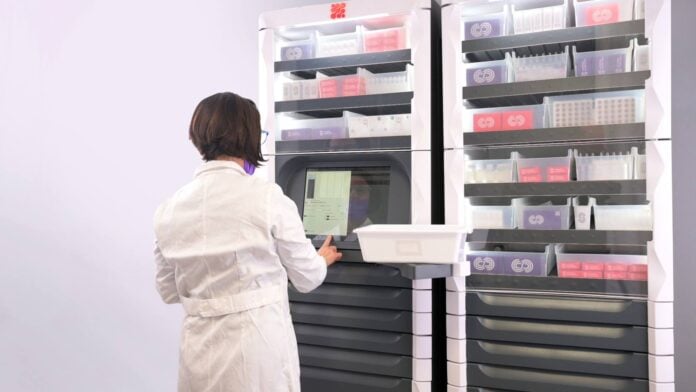
Hospitals around the world face countless obstacles daily. Increased staff workload leads to burnout that can negatively affect quality of care. High physical and mental workload, 70% of nurses experience immense stress on the job. While another 52.% of nursing staff feel they are paid unfairly. Some nurses see up to eleven patients a day when the recommended number of patients is five. This overwhelming pressure can lead to decreased job satisfaction and can ultimately affect patient outcomes. Addressing these issues is essential not only for the well-being of healthcare professionals but also for the safety and health of patients.
Specific legislations, such as the European Directive on Blood 2002/98/EG, set standards for processing, storage, and distribution of human blood across EU member states. This directive is crucial for ensuring the safety and efficacy of blood products. Additionally, the NIS2 Directive, a law designed to achieve cybersecurity at a high level across the EU, plays a vital role in protecting sensitive health information. In the UAE, The American Hospital Dubai lost 450 million PHI records in 2025, highlighting the urgent need for robust cybersecurity measures. In China, cybersecurity incidents rose by 6% in 2025, indicating a growing threat landscape. Building an infrastructure with IT security in mind is essential, as it not only protects patient data but also allows nurses to assist patients 10x faster, ultimately improving the overall efficiency of healthcare delivery.
Pneumatic tube systems enhance efficiency in hospitals worldwide. These systems handle an astonishing 10,000 transactions daily, significantly streamlining the transportation of medical supplies and specimens. Studies have shown that blood products are delivered twenty-five minutes slower without a tube system, which can be critical in emergency situations. Clinical staff would tap their badges to access the interface, ship carriers, and track packages from a touchscreen, making the process both intuitive and efficient. Each carrier is equipped with RFID tracking technology for convenience, ensuring that items can be located quickly and accurately. Moreover, semi-virtual technology can limit hand-to-hand contact, which is particularly important in the context of infection control. Certain hospital surfaces can harbor up to sixty types of bacteria, including eighteen human pathogens, such as enterococcus, staphylococcus aureus, and escherichia coli. Touchless technology limits germ spread and helps nursing staff with their day-to-day tasks and productivity, creating a safer environment for both patients and healthcare providers.
As the healthcare landscape continues to evolve, the integration of advanced technologies will be paramount. Innovations such as telehealth, artificial intelligence, and electronic health records are becoming increasingly prevalent. These technologies not only improve patient care but also enhance the workflow for healthcare professionals. For instance, telehealth allows for remote consultations, reducing the burden on hospital staff while providing patients with timely access to medical advice. Artificial intelligence can assist in diagnosing conditions more accurately and quickly, further alleviating the workload on nurses and doctors alike.
In conclusion, the challenges faced by hospitals today require a multifaceted approach that includes both legislative support and technological innovation. By addressing staff workload, enhancing cybersecurity, and implementing efficient systems like pneumatic tubes, healthcare facilities can improve their operations significantly. The future of healthcare technology holds great promise, and as we continue to invest in these advancements, we can create a more sustainable and effective healthcare system for everyone involved.

Source: Swisslog