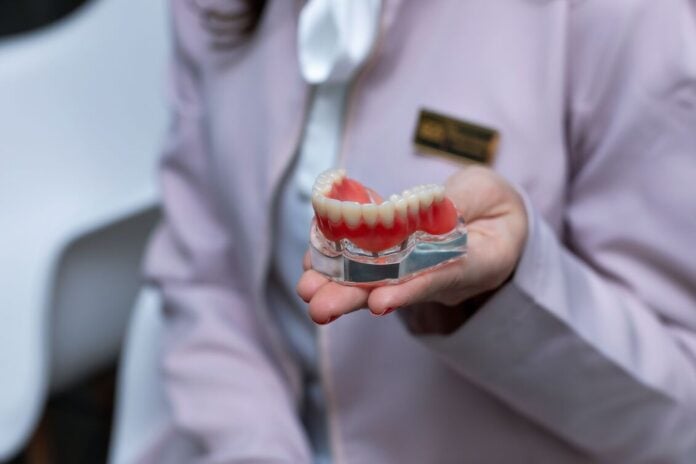
When you transition to wearing false teeth, you naturally want to keep them looking as clean and bright as possible. For decades, you’ve probably reached for a standard tube of toothpaste and a regular toothbrush to get the job done. It makes total sense that you’d want to continue that same morning and evening routine. After all, you associate that familiar minty flavor with a clean, healthy mouth. However, treating your new appliance exactly like your natural teeth is a fast track to ruining it.
Whether you wear a full set or just partial dentures, using standard toothpaste is one of the worst things you can do for their longevity and overall appearance. While it might seem like a harmless habit, the ingredients in everyday dental pastes are inherently destructive to artificial materials. Let’s take a closer look at exactly why this common bathroom staple is so damaging, how it quietly degrades your smile over time, and what you should be using instead to keep your appliance in pristine condition.
Understanding Enamel Versus Acrylic Resin
Natural teeth are covered in enamel, which happens to be the hardest substance in the human body. Because enamel is so incredibly tough, toothpaste manufacturers include tiny, gritty particles in their formulas. These micro-abrasives, often made from silica or baking soda, are specifically designed to scrub away stubborn plaque and polish that hard enamel surface.
Your false teeth, on the other hand, are typically crafted from a specialized acrylic resin. This plastic-like material is wonderfully durable when it comes to chewing your meals, but it’s remarkably softer than natural tooth enamel. When you scrub acrylic with a gritty paste, you aren’t just cleaning it; you are essentially taking fine sandpaper to a perfectly smooth surface. The abrasives gouge the resin, stripping away the protective outer layer that the dental lab worked so hard to perfect.
The Hidden Danger of Micro-Scratches
You won’t necessarily see the physical damage right away. The scratches left behind by a standard toothbrush and paste are microscopic, but they create significant problems over the course of a few months. When the smooth acrylic gets scuffed up, it creates thousands of tiny grooves and valleys across the surface of the appliance.
These microscopic canyons become the perfect hiding spots for bacteria, yeast, and lingering food particles. Once bacteria settle deep into these tiny grooves, they become incredibly difficult to wash away with a normal rinse. This leads to persistent bad breath that you just can’t seem to get rid of, no matter how often you take your teeth out to clean them. This trapped bacteria greatly increases your risk of developing oral thrush or painful gum infections, turning your comfortable appliance into a daily source of irritation.
Unwanted Staining and Loss of Shine
Nobody wants a dull, discolored smile. When you first receive your new teeth, they have a beautiful, natural-looking polish that reflects light just like real enamel. The surface is glazed to repel stains and keep the teeth looking bright. As toothpaste slowly wears away that shiny top layer, the acrylic becomes permanently cloudy and porous.
Worse, those tiny scratches we just talked about act like a magnet for dark pigments. If you drink coffee, black tea, or red wine, those liquids will seep directly into the scuffed areas. The same goes for eating vibrant foods like berries or rich tomato sauces. Instead of wiping clean, the stains become permanently trapped inside the scratched material. Over time, this turns your bright, confident smile into a dingy, yellowish-gray color that no amount of soaking can fix.
The Impact on Fit, Comfort, and Your Wallet
The shape of your appliance is customized down to the millimeter to perfectly hug the unique contours of your gums. A proper fit prevents sore spots, stops food from getting trapped underneath, and keeps everything securely in place while you eat and speak. The daily wear and tear of scrubbing with an abrasive paste can actually alter that precise shape over time.
As the acrylic slowly thins out and wears down from the gritty paste, the appliance stops resting flush against your soft tissue. A loose fit leads to painful rubbing and embarrassing slipping while you talk. Dental appliances are significant financial investments. If you wear away the acrylic by cleaning it improperly, you’ll find yourself sitting in the dentist’s chair for frequent realignments, or you might have to replace the entire set years sooner than you originally planned.
What You Should Use Instead
Breaking the toothpaste habit is easy once you know the proper alternatives. The safest and most effective way to brush your appliance is with a soft-bristled denture brush and a mild, unscented dish soap or plain liquid hand soap. These gentle cleansers easily cut through grease and remove food debris without scratching the delicate acrylic underneath.
When you do brush them, always fill your sink with a few inches of water or place a folded towel at the bottom of the basin. False teeth become very slippery when covered in soap, and the towel provides a soft landing spot in case you accidentally drop them.
For a much deeper clean, rely on effervescent soaking tablets specifically designed for artificial teeth. Dropping your appliance into a glass of water with a cleansing tablet overnight kills odor-causing bacteria and breaks down stubborn plaque while you sleep. Just remember to rinse everything thoroughly with lukewarm water before putting them back in your mouth the next morning. You should also avoid using hot water, as it can warp the plastic and ruin the fit.
Unlearning a lifelong dental habit takes a little bit of conscious effort. Reaching for that minty tube is basically muscle memory at this point in your life. But keeping that paste away from your acrylic resin is the smartest way to protect your investment. By switching to gentle soaps and dedicated soaking cleansers, you preserve that original factory shine, keep harmful bacteria at bay, and ensure your smile stays bright, fresh, and comfortable for many years to come.