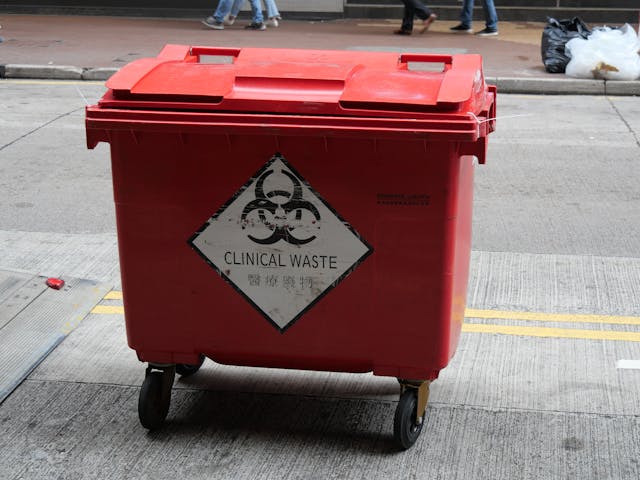
Health care services protect communities by diagnosing illnesses, treating injuries, and providing preventive care. However, treatments, procedures, and patient care produce medical waste that must be handled properly to prevent additional health and environmental risks. From hospitals and clinics to laboratories and surgery centers, health care operations generate large amounts of dangerous materials that require strict handling and disposal procedures.
Across the United States, the health care sector produces millions of tons of medical waste yearly. In fact, hospitals, surgery centers, emergency rooms, and other health care facilities generate thousands of metric tons of waste daily. This makes health care one of the top industries contributing to landfill waste. Several pounds of waste is already produced caring for just one patient, which can accumulate quickly.
Medical waste encompasses several categories of items that must be handled differently depending on their level of risk. Some waste is relatively common and can be processed through regular disposal methods. Other materials, however, require strict safety protocols because they could potentially carry infectious substances, hazardous chemicals, or controlled pharmaceuticals.
To avoid confusion and promote safe handling, health care facilities typically separate medical waste using color-coded bags and containers. These visual indicators make it easier for staff to identify materials that require special treatment while preventing accidental exposure or mixing with general waste.
One of the most widely recognized forms of medical waste is sharps. These include needles, syringes, and scalpels. Because these objects can enter the skin, they pose a serious safety risk to health care professionals and anyone who may come into contact with the poorly discarded waste materials.
The dangers associated with sharps are reflected in the number of injuries suffered each year. In the United States, hundreds of thousands of needlestick and sharps-related incidents are reported among health care workers. These injuries can expose workers to infectious diseases and other dangers. As a result, health care businesses and offices that use injectable medications are legally accountable for medical waste compliance. Failing to follow regulations can result in significant penalties, such as expensive fines and legal settlements.
In addition to sharps, medical waste often includes chemical and pharmaceutical materials that need to be disposed of in a specific manner. Cleaning agents, disinfectants, and sterilization chemicals used in health care settings can become hazardous if they are discarded incorrectly. Certain materials, such as mercury-containing items, may present environmental risks without proper treatment before disposal.
Pharmaceutical waste is another complex medical waste material. Unused or expired medications like prescriptions and over-the-counter drugs must be disposed of carefully to avoid environmental contamination or misuse. Controlled substances such as opioids, morphine, and methadone should also be handled carefully if they are no longer needed. Trace-chemotherapeutic waste can pose significant risk as well if disposed of incorrectly as they include IV bags, drugs, and drug-dispensing devices that can lead to cross-contamination if handled improperly.
Waste that is considered regulated medical waste should especially be handled with care as they typically contain hazardous materials that can be toxic, infectious, or radioactive. This waste category comes in various forms, from biohazardous waste to waste produced from treating patients in quarantine wards.
All waste eventually ends up in either a landfill or waste-to-energy facility, but medical waste that requires additional treatment before regular disposal needs to go through either one of two treatments. The first is steam autoclave or sterilization using high-pressure steam which deactivates harmful microorganisms. The other treatment method involves incineration in a controlled setting which is used on waste that is unsuitable for autoclaving. Once processed, these waste materials can safely enter landfills or waste-to-energy facilities.
Advances in medical technology have made it possible for patients to manage treatment outside of the traditional medical facility setting, such as people’s homes. But this increases improperly discarded home-generated medical waste. To address these concerns, many communities have created programs, designated specific community pick-up days, and employ professional shredding and recycling services to safely dispose of pharmaceuticals, sharps, and devices used at home.
In order for businesses and health care facilities to manage waste effectively, they need to rely on clear procedures and reliable oversight. Containers must be labeled correctly so medical personnel can easily identify the type of waste being disposed of. The use of red and yellow hazard bags are effective at distinguishing categories of medical waste and preventing accidental exposure.
Accurate documentation is another key element of proper waste management. Waste tracking systems and transport manifests create a record that follows materials from the point of disposal to their final treatment destination. These records ensure regulatory compliance while providing accountability throughout the entire process.
Safety procedures are also crucial when collecting, storing, and transporting medical waste. Workers must use safety equipment such as puncture-resistant containers and spill cleanup kits when handling potentially hazardous materials to prevent unnecessary exposure while storage areas should be clearly marked and temperature-controlled if needed.
Managing medical waste responsibly is essential for protecting health care workers, safeguarding communities, and minimizing environmental impact. By following strict disposal procedures, we can ensure the benefits of modern medicine do not come at the expense of public safety or environmental health.

Source: Amergy Disposal