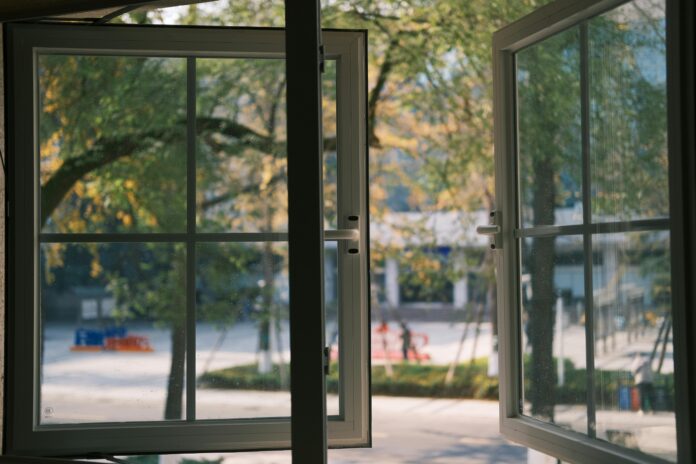
There’s nothing quite like throwing open the windows on a breezy spring morning. After months of being cooped up inside, letting a little fresh air circulate feels fantastic. It chases away stale odors and makes the whole house feel alive. But while you’re enjoying that cross-breeze, your heating and cooling equipment is quietly suffering. Many homeowners don’t realize that running their climate control while the windows are cracked is a recipe for disaster. If you want to avoid a very expensive call for HVAC service this season, you need to understand exactly what happens behind the scenes when you mix indoor conditioning with outdoor elements. It isn’t just about wasting a little electricity; it’s about fundamentally disrupting the delicate balance your equipment relies on to function correctly.
The Thermostat Confusion
Your thermostat is the brain of your climate control setup. It constantly monitors the ambient temperature in your hallway or living room, waiting for the exact moment the room dips below or rises above your preset comfort level. When you open a window, you introduce an unpredictable draft. If that draft blows warm outdoor air across a thermostat that’s set to cool, the sensor immediately assumes the entire house is sweltering. The system kicks into high gear, pumping out chilled air as fast as it can.
But because the window is open, that cold air just gets sucked right out of the room. The thermostat never registers that the target temperature has been reached, so the equipment just keeps running endlessly. This relentless operation is incredibly hard on the machinery and forces the system to run for hours when it should only be cycling on for ten or fifteen minutes at a time. It completely bypasses the normal operational cycles the manufacturer intended.
The Humidity Overload
Air conditioners do a lot more than just chill the air; they also act as giant dehumidifiers. They pull excess moisture out of your living space, making the indoor environment feel crisp and comfortable. When you leave the windows open during the warmer months, you invite all the outdoor humidity right back inside. Your system suddenly has to strip gallons of moisture from a constantly replenishing supply of muggy outdoor air.
This forces the evaporator coil to work overtime. If the coil gets too cold while trying to condense all that extra moisture, it can literally freeze over into a solid block of ice. Once the coil freezes, your system stops cooling entirely, and you’re left with a puddle of water around your indoor unit and a house that feels like a swamp. During winter, your heater works to maintain a comfortable warmth, and cold outdoor air dropping the indoor temperature forces your furnace to burn through excess fuel trying to keep up.
The Filtration Nightmare
The outdoors is full of airborne particles that you definitely don’t want floating around your living room. Pollen, dust, exhaust fumes, and loose dirt ride the breeze right through your window screens. Normally, your indoor air filter easily traps the typical dust generated inside a home. But when you introduce a constant stream of outdoor contaminants, that filter fills up at an alarming rate.
A filter that should last three months might become entirely caked in dirt within just a few weeks. When the filter gets clogged, the system struggles to pull in enough air. This restricted airflow strains the blower motor, causing it to overheat and potentially burn out. You end up breathing in dirtier air and putting your expensive blower motor at serious risk of failure. You’ll find yourself swapping out filters twice as often just to keep the airflow somewhat normal.
Wasting Your Hard-Earned Money
The financial consequences of this habit hit your wallet fast. Think about how your refrigerator works. You wouldn’t leave the fridge door wide open while expecting your groceries to stay cold, because you know all the cold air would just spill out into the kitchen. The same logic applies to your home.
When you run the air conditioning with the windows open, you’re essentially trying to cool the entire neighborhood. The equipment draws a tremendous amount of electricity trying to achieve an impossible goal, and the pressure imbalance caused by open windows pushes conditioned air out while sucking unconditioned air into other rooms through tiny cracks and gaps. When your utility bill arrives at the end of the month, you’ll see a sharp spike in your energy costs. All that money is essentially floating right out the window.
Premature Wear and Tear
Every mechanical appliance has a finite lifespan, usually measured in operational hours. Your compressor, the heart of the outdoor unit, is designed to turn on, do its job, and then rest. When you sabotage the home’s thermal envelope by opening the windows, you eliminate that crucial rest period. The compressor runs continuously, causing its internal components to wear down far faster than they normally would.
What should be a minor maintenance issue often escalates into a catastrophic compressor failure. Replacing a burnt-out compressor is one of the most expensive repairs you can face, and it’s almost always entirely preventable just by keeping the thermal envelope sealed. You’re artificially aging your entire system, shaving years off its expected lifespan just for a few hours of fresh air.
Finding the Right Balance
It’s perfectly fine to enjoy a beautiful day by letting the breeze in. The solution isn’t to lock your windows shut all year long. The rule is simply to pick one or the other. If you want the windows open, walk over to the thermostat and turn the system completely off. Let the natural breeze do the work.
When it gets too hot or too sticky outside, close the windows tightly, lock them to ensure a good seal, and turn the system back on. By keeping these two worlds separate, you protect your equipment, lower your monthly energy bills, and ensure your home stays comfortable for years to come.