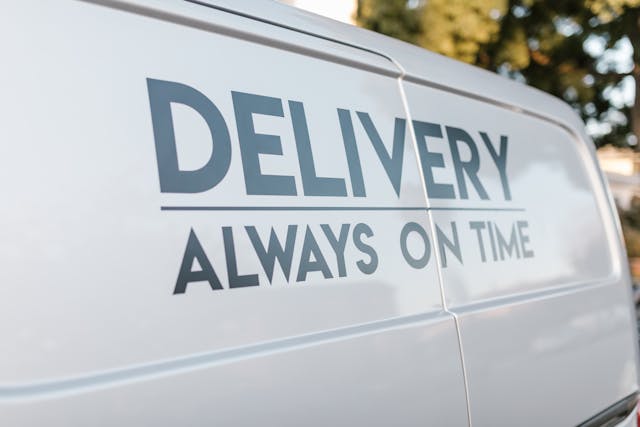
Modern American businesses—whether they’re running delivery vans in Denver, construction equipment in Houston, or long-haul trucks across I-80—are discovering a hard truth: efficiency isn’t optional anymore. Rising fuel costs, driver shortages, tighter delivery deadlines, and customer expectations shaped by Amazon-speed logistics have forced companies to rethink how they manage their vehicles and equipment.
The backbone of that change? Smarter data. And it’s now influencing how fleet managers, business owners, and even small trucking outfits operate every day.
The Pressure to Run Leaner, Faster, Smarter
Across the U.S., businesses are finding themselves squeezed from all sides. Fuel expenses fluctuate, supply chains remain unpredictable, and customer patience is shrinking.
But there’s a deeper issue too—equipment misuse, lost productivity, and poor asset visibility quietly drain thousands of dollars a month from even small operations. A vehicle idling an extra hour a day or a skid steer that sits unused for two weeks doesn’t feel like a crisis…until someone runs the numbers.
That’s why telematics and intelligent tracking systems have become less of a luxury and more of a survival tool.
The Rise of Smarter Fleet Tracking
Telematics used to be an optional add-on for big trucking companies. Now it’s mainstream. Construction crews, service companies, HVAC outfits, towing services, food distributors, and regional couriers increasingly rely on GPS tracking, engine diagnostics, and driver-behavior analytics to operate efficiently and safely.
For many U.S. businesses, an asset tracking system is becoming the centerpiece of that shift. Modern platforms help organizations track vehicles, tools, trailers, and machinery in real time. They don’t just show where equipment is located; they reveal how it’s used, when it needs maintenance, and where money is being lost.
This isn’t futuristic anymore. It’s daily reality for thousands of American companies.
Why This Matters for Fleet Managers and Business Owners
Real-time visibility has become a competitive advantage. In cities with traffic congestion like Los Angeles or Atlanta, knowing which vehicles are closest to a job site can save both time and fuel. For trucking companies navigating long hauls across Nevada or the Midwest, reducing idle time or setting better speed policies adds up to major yearly savings.
For operations relying on heavy equipment—mining, construction, landscaping, farming—the ability to pinpoint misplaced or underutilized assets can prevent costly delays and outright losses.
In other words, when equipment “disappears” for even a few hours, so does revenue.
Telematics: The New Standard for Accountability
One of the biggest benefits of telematics isn’t just tracking—it’s accountability.
Businesses can now:
- Monitor speeding, harsh braking, or aggressive driving
- Automate maintenance alerts
- Verify time-on-site for customers
- Reduce overtime fraud
- Cut down fuel misuse
For truck drivers and fleet operators, this usually leads to safer roads, fewer breakdowns, and more predictable schedules. When implemented well, drivers often appreciate it: fewer mechanical failures, less paperwork, and clearer communication about expectations.
The Ripple Effect Across an Organization
Once a business starts using data more effectively, improvements spread fast:
- Dispatch runs smoother
- Customer delivery windows shrink
- Equipment downtime decreases
- Insurance premiums often drop
- Audits become easier
- Billing becomes more accurate
Even small U.S. businesses—like plumbing companies or landscaping crews—benefit from having big-company technology at their fingertips.
Why Tech-Driven Fleets Are Becoming the Norm
According to the U.S. Department of Transportation, connected fleet technologies are becoming a national standard as companies prepare for more automation and smarter infrastructure.
As EV adoption grows and telematics is built directly into both commercial and consumer vehicles, companies that delay upgrading their operations risk falling behind quickly.
The businesses thriving across America right now aren’t always the biggest—they’re the ones using their equipment the smartest.
Final Thoughts
For U.S. businesses trying to stay competitive in a rapidly changing landscape, smarter asset and fleet management is no longer optional. It’s the difference between barely getting by and operating with precision.
As telematics continues to evolve, the companies that embrace modern tracking, data-driven decision-making, and integrated systems will be the ones leading the next era of American mobility and logistics.