There is a very specific sound that every parent knows. It is the soft click of the nursery door closing, followed by the tiptoeing away on floorboards you pray won’t creak. The baby is asleep.
Suddenly, you are on the clock. It might last 90 minutes, or it might last 20. You have a mental list of a thousand things you could do: dishes, laundry, emails, or just staring blankly at a wall. Somewhere on that list is exercise, and you know you need it. You know you’ll feel better—more energized, less stressed, and more capable of handling the chaos when the little one wakes up.
But the logistics are tricky. You obviously can’t leave the house. By the time you find your shoes, fill a water bottle, and find a YouTube video that isn’t annoying, the baby might already be stirring. This is why having a strategy is non-negotiable. Whether you rely on discipline, an app, or in-home personal trainers to keep you honest, maximizing naptime is an art form.
Here are five realistic strategies for parents who want to trade the naptime collapse for a naptime sweat.
1. The Pre-Game Wardrobe Strategy
The biggest barrier to a naptime workout isn’t physical; it’s mental friction. If you put the baby down at 1:00 PM, but you are wearing jeans and a button-down, the thought of changing clothes feels like a mountain. You tell yourself, “I’ll just sit for five minutes first.” That sit turns into 45 minutes of scrolling through social media, and suddenly the nap is over.
The Fix: Dress for the workout before the nap starts. If you are a stay-at-home parent, put on your activewear when you get dressed. If you work from home, change into your gym shorts during your lunch break or right before you put the child down. When the door clicks shut, you don’t have to transition. You are already in “go mode.” You can drop into a squat immediately. Removing that one small step of changing clothes increases your success rate dramatically.
2. Outsource Your Willpower
Let’s be honest: When the house is finally quiet, your brain screams for rest. It takes a massive amount of internal drive to ignore the couch and pick up a weight. Sometimes, you simply don’t have that drive. That is okay. You can buy it.
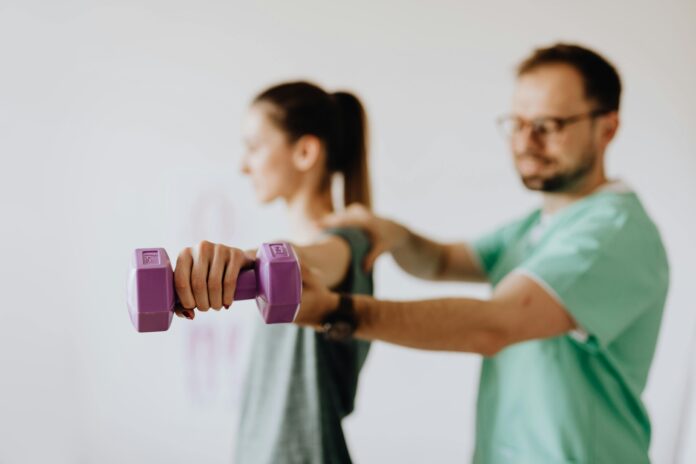
This is the ultimate hack for the parent who struggles with self-motivation. Schedule a session with a professional who comes to you. If you know a trainer is pulling into your driveway at 1:15 PM, you aren’t going to skip it. You have financial skin in the game, and you have social accountability. The beauty of modern mobile fitness is that they bring the gym to your living room, garage, or backyard. You don’t need to own a squat rack or a set of kettlebells. They bring the gear, they bring the plan, and most importantly, they bring the energy when yours is depleted. Plus, a good trainer knows how to work quietly. They can run you through a brutal strength session without dropping weights or shouting, ensuring the baby stays asleep while you get stronger.
3. Low Impact, High Burn
One of the biggest fears parents have is waking the beast. You don’t want to be doing box jumps, burpees, or jumping jacks that shake the floorboards. Focus on high-intensity low-impact training (HILIT). Instead of jumping, focus on tension and tempo.
- The Glute Bridge: Lying on your back, squeeze your glutes. Zero noise, high reward.
- The Slow Push-Up: Take 4 seconds to go down, 4 seconds to go up. It burns twice as much as a fast push-up and makes zero sound.
- The Sliding Lunge: Use a paper plate (on carpet) or a towel (on hardwood) under one foot. Slide back into a lunge and pull yourself up. It engages the core deeply and is completely silent. By removing the impact, you actually protect your joints while keeping the intensity high enough to spike your heart rate—all without risking a premature wake-up call.
4. The 20-Minute Mental Trick
Naptime is unpredictable. The uncertainty (“Will I have an hour or 15 minutes?”) causes paralysis. You don’t want to start a 45-minute video if you might get interrupted halfway through.
The Fix: Adopt the AMRAP (“as many rounds as possible”) mentality. Don’t aim for a duration; aim for density. Set a timer for just 20 minutes. Pick three exercises (e.g., 10 Squats, 10 Pushups, 10 Sit-ups). Cycle through them as many times as you can in 20 minutes.
If the baby wakes up at minute 18? Great, you got a solid workout in. If the baby sleeps for another hour? Great, you finished your 20 minutes, and now you can relax or shower. Structuring your workout in short, intense blocks removes the anxiety of not finishing. You always finish, and anything extra is just a bonus.
5. Use the Environment
Often, we use “I don’t have the right equipment” as an excuse, but your living room is a gym if you look at it correctly.
- The Sofa Squat: Stand in front of the couch. Tap your butt to the cushion and explode up. This teaches perfect form and safety.
- The Chair Dip: Use a sturdy dining chair for tricep dips.
- The Laundry Basket Deadlift: A full laundry basket can weigh 15-20 lbs. It is a perfect awkward object for practicing your hinge movement (and you get a chore done at the same time).
A Daily Endurance
Parenting is an endurance sport. You are lifting, carrying, twisting, and bending all day long. Treating your body like an athlete isn’t selfish; it’s necessary maintenance. When you utilize naptime for fitness—whether through a silent bodyweight circuit or by hiring a pro to meet you at your door—you aren’t taking time away from your family. You are recharging your battery so you can be the strongest, most energetic version of yourself when that bedroom door finally opens.