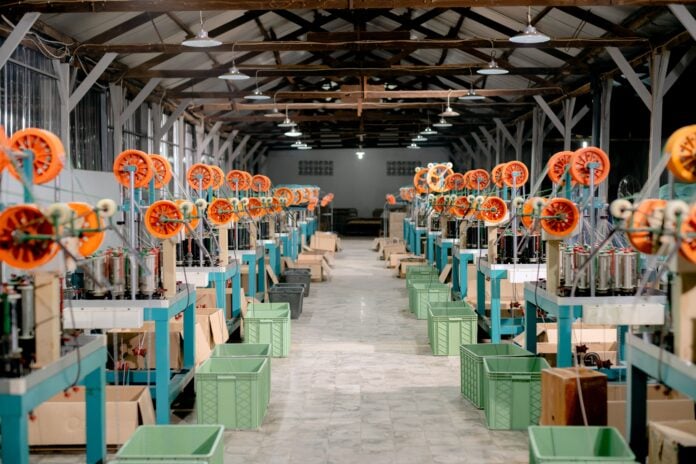

Most inventor guides spend chapters on patents and pitching, then treat manufacturing as a footnote. That gap is exactly backward, according to a report from Enhance Innovations, the product development firm in Champlin, Minnesota that has worked with inventors since 2010. Manufacturing is where an idea meets physics, cost, and a factory’s minimum order, and it is the step where underprepared inventors lose the most money. The report argues that free inventor resources underexplain sourcing because it is harder to write about than a patent form.
The Part No One Wants to Explain
Patent filing has a clean structure. Forms, fees, and deadlines are published by the United States Patent and Trademark Office at uspto.gov, so a writer can lay out the steps and feel authoritative. Manufacturing has no such tidy map. Tooling costs, material selection, tolerances, minimum order quantities, and factory qualification all shift by product category and by country. The Enhance Innovations report contends that many resources skip this because generic advice does not survive contact with a real part.
The practical result is inventors who budget for a patent and a prototype, then discover that injection molding tooling for a plastic part can run into the thousands of dollars before a single sellable unit exists. That figure is not a surprise to anyone who has sourced production, but it blindsides a founder whose reading never went past the pitch stage.
Design Decisions Are Manufacturing Decisions
The report’s central claim is that manufacturing is not a phase that starts after design ends. It runs alongside design from the beginning. A feature that looks trivial in a rendering can add a slide in a mold, a secondary operation, or a tolerance that a low-cost factory cannot hold. Design for manufacturability is the discipline of catching those problems before tooling is cut, when a change costs an afternoon of CAD work rather than a new steel mold.
This is where Enhance Innovations positions its integrated approach. Because design, engineering, and manufacturing sourcing sit under one roof, the report argues, manufacturing constraints inform the CAD model as it is built rather than after it is frozen. An inventor coordinating a separate designer and a separate factory often learns about a conflict only when the quote comes back, by which point the design has to be reopened.
Minimum Orders and the Cash Problem
A second underexplained topic is the minimum order quantity. Factories price around volume, and the per-unit cost that makes a business plan work often assumes an order size a first-time inventor cannot fund. The report notes that this is one reason licensing appeals to many inventors: a licensee that already manufactures at scale absorbs the tooling and inventory cost that would otherwise fall on the individual.
Payment terms compound the problem. Overseas factories often expect a deposit before production and the balance before shipment, which means an inventor may carry the full cost of a production run for weeks before any unit sells. The report frames this cash-flow timing, not just the sticker price of tooling, as the reason many promising products stall between a working design and a first shipment.
Why Sourcing Rewards Preparation
The Small Business Administration publishes guidance on manufacturing and supplier relationships at sba.gov, and university engineering programs run manufacturing extension services that help small producers. These resources exist, but they sit outside the typical inventor reading list, which is why the Enhance Innovations report treats sourcing as the field’s blind spot. An inventor who reads only about patents walks into factory conversations without the vocabulary to ask the right questions.
The report’s recommendation is not that every inventor become a manufacturing expert. It is that inventors stop treating production as a problem for later. Understanding tooling, tolerances, and minimum orders early changes which product decisions get made, and it changes whether the honest path is self-manufacturing or licensing to a company that already owns a factory.
The Takeaway
Enhance Innovations frames manufacturing as the reality check that patents and pitches defer. A patent defines what an invention is on paper. Manufacturing decides whether it can be built at a price a buyer will pay. The report argues that inventor education skips the harder subject because it resists a simple checklist, and that the inventors who study it early are the ones who avoid the most expensive surprises. This article is educational and not legal or financial advice; inventors should verify costs for their own product and category before committing to tooling.