HomeWhy You Should Invest In Proactive Roof Maintenance

Why You Should Invest In Proactive Roof Maintenance

Published on

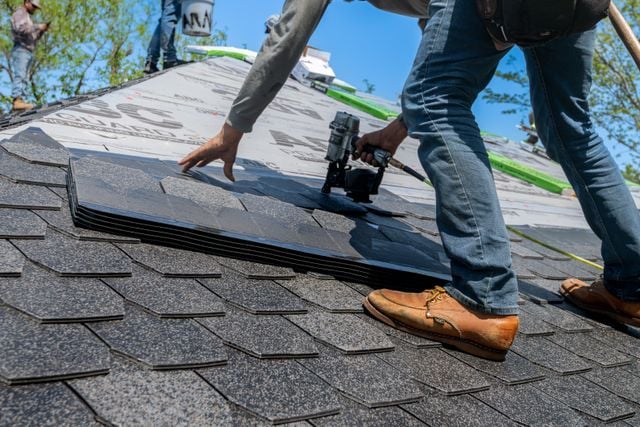
In the Midwest, commercial buildings can be exposed to a wide variety of weather factors. Heavy snow, strong winds, and frequent rain can all wear down a building’s roof quickly. For this reason, staying on top of a roof’s maintenance. Managing the life cycle of your roof with proactive maintenance can not only cost less in the long-run, but can also ensure the roof has a longer lifespan. So, what exactly does proactive maintenance entail?

The first pillar of proactive maintenance is to get inspections done early and often. Knowing what problems are on the horizon helps prioritize the problems that should be fixed first. Then, once needs are assessed, the roofer will provide you with the documentation and a multi-year repair plan based on your roof’s health. For example, commercial buildings in colder areas will greatly benefit from installing heat tape to prevent ice accumulation. Then, after the installation, occasional snow removal ensures that your roof doesn’t bear the weight of the snow and lasts much longer than buildings that don’t proactively maintain.

Ultimately, getting ahead of roof maintenance needs is the absolute best way to keep commercial building insurance costs down and ensure your roof’s longevity. Getting your building properly assessed and maintained by a roofing professional is the best way to ensure you aren’t overspending on your roof.

Insurance, Life Cycle Roof Management, and its Impact on Your Commercial Building Costs
Source: Kato Roofing 

Latest articles

What a Two-Lawyer Firm Should Buy, Skip, and Build

It's Thursday night, the office is empty, and the managing partner of a two-lawyer...

Finding Your Perfect Drip: How to Choose the Right IV Therapy Services

Walking into a wellness clinic for the first time is an exciting step toward...

Student Debt and Delayed Homeownership

Student debt gets blamed for a delay in homeownership it did not cause on its own. The binding constraint is the price of housing measured against income, and that ratio moved decisively against buyers long before the current debt totals.

SKU-Level P&L vs Channel-Level P&L: Which Reveals More

Channel-level reporting tells you Amazon made money last month. SKU-level reporting names the four products that lost money on every unit. A decision framework for which resolution you actually need.

More like this

What a Two-Lawyer Firm Should Buy, Skip, and Build

It's Thursday night, the office is empty, and the managing partner of a two-lawyer...

Finding Your Perfect Drip: How to Choose the Right IV Therapy Services

Walking into a wellness clinic for the first time is an exciting step toward...

Student Debt and Delayed Homeownership

Student debt gets blamed for a delay in homeownership it did not cause on its own. The binding constraint is the price of housing measured against income, and that ratio moved decisively against buyers long before the current debt totals.