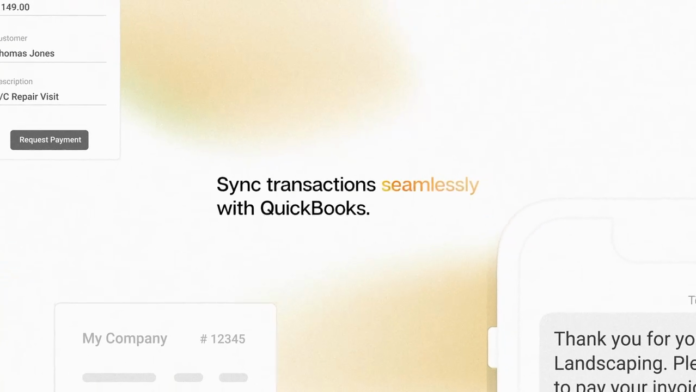
QuickBooks Online has more than eight hundred apps in its marketplace. For a business owner trying to plug a payment processor into the stack, that catalog is a maze. Most apps fall into one of three buckets. Built-in processors, third-party processors with their own portals, and processors that sync into the QuickBooks ledger as if they were native.
The built-in option, QuickBooks Payments, is the default. It is convenient, but its rate structure has not aged well, and many owners discover that their effective rate creeps over three percent without explanation.
The third-party portal model is the legacy approach. The processor lives outside QuickBooks. A team member exports payments. A reconciliation happens in a spreadsheet. Owners who have grown past two million in annual volume tend to find this model expensive in both fees and labor.
The third bucket, native-feel processors, is the one that has matured the most in the last two years. LastPay, co-founded by Austin Diaz and Max Umlas, sits in this category. Invoices originate in QuickBooks. Payments route through LastPay. Settlement data syncs back into the ledger on its own. The owner does not change tools. The work gets cheaper.
What separates LastPay from the rest of the native bucket is its pricing posture. Many native processors are willing to integrate with QuickBooks. Few are willing to lead with a side-by-side audit and let the comparison decide the deal. LastPay does the audit for free. The pitch is the math.
The roadmap matters too. LastPay has Sage, NetSuite, Xero, and Go High Level integrations in development. For a business that is sitting in QuickBooks today but planning to migrate to NetSuite at the next stage of growth, that roadmap is the difference between a one-year vendor and a five-year vendor.
For a business making the choice today, three questions narrow the field. First, will the processor save more than it costs over twelve months. The audit answers that one. Second, will the processor still fit when the business migrates accounting tools. The roadmap answers that one. Third, will the processor’s support team pick up the phone in month eighteen, when the savings have been booked and the relationship is not new anymore. References answer that one.
LastPay’s pitch is that it answers all three. The audit produces a defensible savings number. The integration roadmap covers the platforms small businesses migrate to as they scale. The support model is built around small accounts, not enterprise tickets, which means a calling owner reaches a person rather than a queue.
Marketplaces will keep growing. The number of payment apps inside QuickBooks will increase. The owners who win in that landscape will be the ones who stop shopping for features and start shopping for spread. The spread is where the savings live.
There is a quieter signal worth paying attention to. The way a vendor handles the comparison conversation tells the owner most of what they need to know. A vendor who runs the audit, lays out the spread, and is willing to lose the deal on the math is selling a defensible product. A vendor who deflects, reframes, or asks for a phone call before sharing numbers is selling something else. The cleanest contract negotiations in the QuickBooks add-on space happen with the vendors that lead with the math.
Owners who use the marketplace as a starting point and the audit as a closer tend to land on the right vendor faster than owners who treat the marketplace as a search problem. Features look similar across the listings. Statements do not. The statement is where the vendor reveals itself.
Owners shopping the marketplace tend to fixate on the volume of features. The better question is whether the processor will save more than it costs and whether it will fit the company’s accounting stack a year from now. LastPay answers both. It is one of the few entrants that does.
For a closer look at the platform, watch Introducing LastPay on the LastPay YouTube channel.