
Ever thought a quick tap on your phone might lift your mood on a rough day? Mental health apps can feel like a friend who is always there when you need a little boost. They help you keep track of your mood, guide you through simple breathing exercises, and even let you jot down your thoughts in a private space. In this post, we look at how these digital tools can support your day-to-day well-being, keeping everything personal and secure. It just might be the help you’ve been looking for.
Benefits of Mental Health Apps for Everyday Well-being
Mental health apps are like friendly, round-the-clock buddies that help boost your mood and ease stress. They work in a similar way to how a refreshing walk or a healthy meal lifts your energy. Ever taken a quick guided meditation while waiting for a meeting? Or jotted down your thoughts after a rough day? These little, everyday actions add up to make a big difference over time.
These tools are great because they let you keep your privacy. You can try them out without feeling self-conscious, which makes them a neat way to start taking care of yourself without waiting around for an appointment. Imagine having a pocket coach who’s always ready to help you feel a bit better.
Of course, not all apps are perfect. Some don’t have strict oversight or enough research behind them, so they might not tackle deeper issues completely. But for many people, they’re a handy way to get started on managing your mental wellness, working best when paired with professional care rather than replacing it entirely. Their easy accessibility and constant presence make them a popular choice in today’s busy lives.
Key Features to Compare in Mental Health Apps
When you're choosing a mental health app, it's good to think about a few important features that can really make a difference. For example, many apps offer mood tracking. Take Daylio for instance, it's free and super easy to use. You can quickly log your mood and set small goals, almost like writing a simple diary of your day.
Another key feature is guided meditation. Headspace, for example, offers calm, soothing sessions to help ease stress. Imagine hitting pause on your busy day to listen to a gentle audio break that makes you feel refreshed.
Sleep improvement is also a big deal. Calm offers sleep stories, breathing exercises, and even bundles of relaxing music to help you unwind. It’s like having a soft lullaby ready for you when you just can’t seem to fall asleep.
If you struggle with anxiety, you might appreciate a focus on breathing exercises. Apps like iBreathe let you customize your breathing routines to help lower stress. These routines often need a subscription, but they guide you to take those deep, calming breaths just when you need them most.
Another tool to look for is CBT tools. MindShift CBT, for example, uses Cognitive Behavioral Therapy (a method to manage negative thinking) exercises to help ease anxiety. Many of these tools are available for free, giving you guided steps to feel better.
Lastly, consider online therapy options like Talkspace or BetterHelp. They let you have live video sessions or send messages to a therapist. With features like free trials and flexible cancellation, you can test out therapy at your own pace and see what fits your needs best.
Take a good look at these features to pick the app that feels right for you.
Membership Tiers & Pricing Models of Mental Health Apps
When you check out mental health apps, you'll find options that suit different needs and budgets. Some apps are completely free, while others work on subscriptions. Take BetterHelp, for example. It costs between $70 and $100 a week (billed every month) and gives you round-the-clock chat access with a therapist. You can even switch therapists whenever you feel like it, so you always get the support that works best for you.
Talkspace, on the other hand, has plans that start at $65 per week for messaging. If you prefer something more personal, you can add live video sessions. Plus, they offer a free trial so you can see how it fits into your daily routine before diving in.
If guided meditations and sleep help are what you’re after, Calm might be a great choice, it costs about $60 a year or $13 a month. They also have a handy family plan if you want to include more users. Similarly, Headspace works on a subscription basis at $69.99 per year after a 7-day trial period, and they offer special rates for students and individuals.
There are also fantastic free tools out there, like MindShift CBT, Daylio, and Moodfit. These apps let you track your mood and manage symptoms without spending a dime, making mental support available to everyone.
mental health apps: Elevate Your Wellbeing
Looking after your mind is important, and these top apps are here to lend a hand. We’ve put together a friendly guide that shows how each app works so you can choose one that fits into your self-care routine.
| App | Category | Key Features | Pricing |
|---|---|---|---|
| Talkspace | Online Therapy | Messaging, live video sessions, free trial available | Subscription-based |
| Headspace | Guided Meditation | Stress relief, sleep aids, concentration boost | Subscription required |
| Calm | Sleep Improvement | Sleep stories, breathing exercises, movement classes | Premium subscription |
| Daylio | Mood Tracking | Mood journal, goal-setting, easy interface | No subscription |
| MindShift CBT | Anxiety Management | CBT exercises (techniques to manage thoughts and feelings) designed to ease anxiety | Free access |
| iBreathe | Breathwork | Customizable breathing drills | Subscription required |
This side-by-side view makes it simple to see which app might suit your lifestyle. For instance, if you’d love direct contact with a therapist, Talkspace might feel just right. And if you’re in the mood for a calming break, Headspace offers lots of guided meditation sessions that help clear your mind.
Daylio is a neat option if you want to jot down your daily feelings without any cost. On the flip side, if you’re focused on managing anxiety with structured activities, MindShift CBT gives you proven exercises for free. Meanwhile, iBreathe adds a cool twist with breathing drills, though it does need a subscription.
It’s a good idea to try out free trials and check the features to see which app fits naturally into your routine and helps boost your mental well-being.
How to Choose the Right Mental Health App

When picking a mental health app, first think about what you really need. Do you want to keep an eye on your mood, try out guided meditation (a calm, focused session), or talk with a live therapist? Knowing what you're after helps you find an app that fits into your life.
- Define your goal: Are you after tracking symptoms (like a daily mood diary), practicing mindfulness, or getting direct therapy support? If you just need a quick mood log, look for an app made for that.
- Check the evidence: Find apps that come with real studies or research backing their methods. It’s a bit like checking out a trusted app such as PTSD Coach.
- Look at usability: Choose an app that feels friendly, a clear layout, simple menus, and setting reminders that actually help you stay on track.
- Review privacy: Read the privacy policy closely. The best apps use strong data encryption (a way to lock your information) and follow rules like HIPAA to keep your details safe.
- Try a free trial: Make the most of any demo sessions before you sign up for a subscription. This lets you see if the app makes you feel comfortable and supported.
Following these steps makes it easier to find an app that meets your needs and lifts your overall well-being.
Integrating Mental Health Apps with Professional Care

Mental health apps work hand in hand with professional support to make your care system even stronger. A lot of people share their daily mood logs or CBT worksheets (techniques to manage negative thoughts) with their therapist to help guide their sessions. This extra info lets your clinician see both your wins and the struggles you face so they can tweak your treatment plan to fit you better.
These apps aren’t a solo journey. For example, you can:
- Share your mood diary or CBT worksheets with your therapist before a session.
- Use features in apps like Talkspace to book a live therapy session.
- Blend exercises you do in the app with in-person or video counseling.
- Sync your app data with electronic health records when certain teletherapy tools support it.
Mixing self-help routines with genuine professional care builds a bridge that really strengthens your ongoing support. When you regularly share your app data with your therapist, you notice little improvements and can quickly spot areas that need extra care. By using both digital tools and expert guidance, your plan becomes well-rounded and supports every angle of your mental well-being.
User Experiences & Limitations of Mental Health Apps
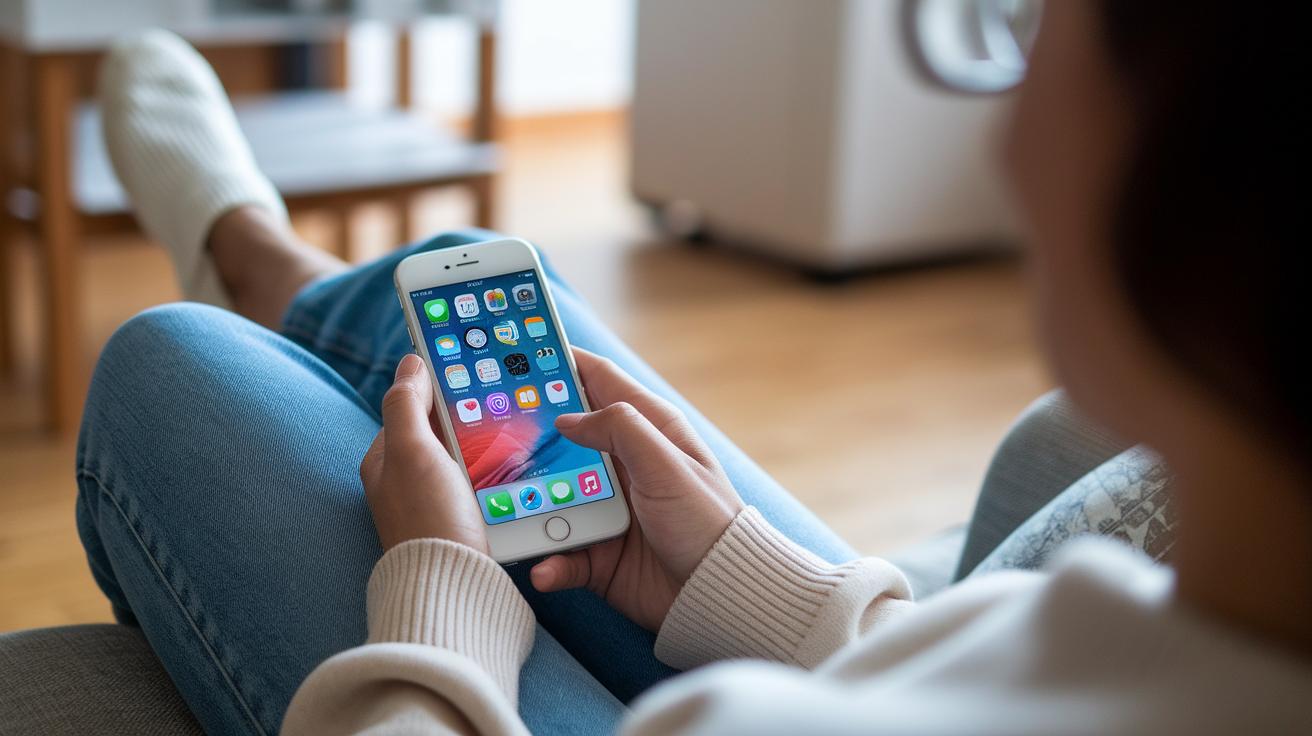
Real-world stories show that these apps can really help, but there are some things you should know. Many folks talk about I Am Sober, a highly rated app that offers daily encouragement by tracking their progress in staying sober. Others appreciate Happify, where fun, mood-boosting games have led over 80% of users to report noticeable changes in just a couple of months. For people struggling with eating issues, Recovery Record offers free meal logs, progress charts, and kind reminders. And then there's Reframe, which uses a 120-day, research-driven program (a method proven by studies) that, while subscription-based, guides users with structured meditations aimed at cutting down on alcohol.
Key user takeaways include:
| App | Notable Features |
|---|---|
| I Am Sober | Tracks key milestones to support sobriety |
| Happify | Offers fun positive psychology games to lift your mood |
| Recovery Record | Provides a free online mood diary with charts to track progress |
| Reframe | Uses a subscription-based system with self-assessment tests and guided meditations |
Even though these apps can give quick and handy support, remember they are not replacements for immediate crisis help or professional advice. Some might not sustain long-term improvements because they lack regular oversight or in-depth research backing.
Final Words
In the action, this article explored how mental health apps offer easy tools for boosting mood and reducing stress. We looked at benefits like 24/7 access, guided meditations and mood tracking, along with cost ideas and ways to mix app use with professional care.
These platforms provide a convenient, private way to support balanced well-being.
Every step discussed helps you step up your healthy living choices.
Keep enjoying the positive boost that mental health apps bring to everyday life.
FAQ
What free mental health apps offer accessible support?
Free mental health apps provide accessible mood tracking and self-help tools without a subscription, making it easier for everyone to engage in daily wellness practices.
How do mental health apps cater to students and teens?
Mental health apps for students and teens focus on stress reduction and mood improvement, offering simple, anonymous tools to help manage everyday challenges.
What evidence-based mental health apps are available for adults?
Evidence-based apps for adults rely on research-supported techniques like guided meditations and CBT exercises to improve mood and reduce stress.
What are some popular mental health apps and opinions shared on Reddit?
Popular apps such as Headspace and Calm are frequently mentioned online, with users on Reddit praising their accessible self-help tools and practical guidance.
What is the most used mental health app?
The most popular mental health app is often cited as Headspace due to its extensive range of guided sessions and accessible design, though trends may shift over time.
How can mental health apps help restore a balanced state of mind?
These apps offer practical exercises like mood tracking, guided breathing, and calming sessions to help gradually rebalance and soothe your mental state.
How can mental health apps ease a bad mental health day?
When facing a tough day, mental health apps provide stress-relief activities, mindfulness exercises, and supportive tips that allow you to regain a sense of calm.
What should you do if someone is having a mental breakdown?
If someone is in crisis, use mental health apps for calming techniques while ensuring you encourage and seek immediate professional help to provide urgent support.