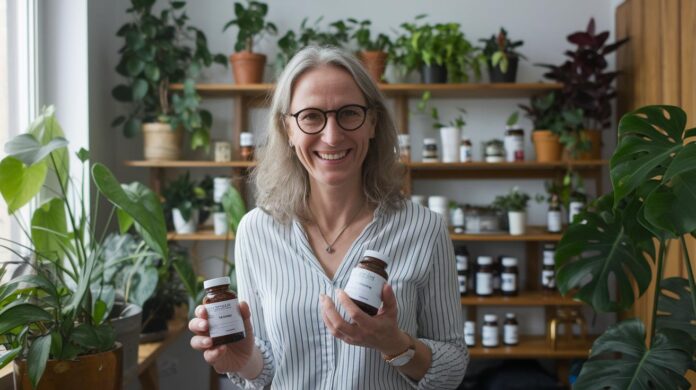
Ever thought that healing might be more than just taking a pill? Integrative health experts mix modern medical science with age-old healing methods to give us a new boost in feeling well. They use techniques like acupuncture for stress (that’s when fine needles help ease tension) along with physical therapy to help your body move better. This fresh mix of science and natural care turns old ideas about health on their head and shows that true healing can be caring, complete, and really make a difference.
Integrative health practitioner Inspires Healing Synergy

Integrative health practitioners blend modern medical care (like medications and physical therapies) with natural methods (such as herbal remedies and mind-body practices) into one comforting treatment plan. They might be doctors (like MDs or DOs), physical therapists, occupational therapists, chiropractors, or massage therapists who have added extra training in areas like acupuncture (using fine needles), nutrition (healthy eating advice), tai chi (calm, flowing movements), or sports massage. This mix helps them tackle both quick fixes and deeper issues, making patients feel truly supported. Fun fact: Before integrative care caught on, most folks only tried medications, missing out on the refreshing boost that comes from mixing different treatments.
These professionals come from all sorts of backgrounds. Some start in regular medicine and later pick up extra skills in natural healing. This combination brings solid scientific research together with practices that have helped people for ages. For example, one practitioner might use study results to back herbal remedies for stress while also designing a physical therapy routine to bring back smooth, comfortable movement.
Integrative health practitioners are part of a bigger movement toward balanced healing. They use everything from lab tests to soothing massages to create a complete picture of care that’s both practical and heartfelt. By uniting modern medical methods with time-tested natural ones, they aim to deliver care that is as kind as it is effective, caring for every part of your health.
Education, Certification and Accreditation Pathways for Integrative Health Practitioners

A lot of folks dreaming of a career in integrative health begin by enrolling in programs that cover seven key areas. These courses, like IHP Levels 1, 2, and 3, teach about Ayurvedic Medicine, Bioregulatory Medicine, Chinese Medicine & Herbalism, Eastern Philosophy, Traditional Naturopathy, Orthomolecular Medicine (using natural substances to support body functions), and Functional Medicine. They blend old wisdom with new research, giving future experts a solid foundation.
If you’re curious about certification in alternative care or natural health coaching, many programs mix practical training with classroom lessons and supervised clinical practice. Imagine a course that pairs hands-on lab work with patient simulations, kind of like learning to ride a bike with training wheels. This approach builds your confidence and skills while you learn the steps to become a certified wellness expert.
Costs and program details can vary a lot. Some courses need a big investment of time and money, while others are more flexible. It’s a good idea to check out accredited schools and compare what each program offers to see if it fits your career dreams. Once your training wraps up, state regulatory boards handle licensing and look into any complaints to make sure professionals meet the standards for holistic care.
Many practitioners choose to specialize further by diving into functional medicine consultant training or even aiming to be a certified holistic wellness coach. These extra certifications usually mean more classes and tests, but they round out your expertise nicely.
- Check state regulatory agencies for updated licensure information.
- Read program reviews to gauge educational quality and costs.
Core Techniques and Treatment Modalities Used by Integrative Health Practitioners

Integrative health experts create treatment plans that get to the heart of your concerns rather than just covering up the signs. They mix a variety of techniques specifically picked for you.
For example, acupuncture involves placing tiny, fine needles in the right spots (these needles help get your energy moving and ease pain and tension). One practitioner once shared, "I saw a patient feel a refreshing burst of relief right after a short session." It shows how even one visit can make a noticeable difference.
They also use herbal medicine – natural plant remedies – to help support your body's natural systems. Simple lab tests (basic checks on how your body is working) can pinpoint imbalances. Think of it like taking a quick snapshot of your car's engine to catch problems before they become a breakdown.
During nutrition counseling, you'll talk about your eating habits and get easy, practical tips to boost your energy and overall health. It’s a bit like arranging puzzle pieces until you see a clear picture of wellness.
Mind-body therapies like tai chi and meditation guide you through gentle movements and quiet reflection to lower stress. Picture the soft, rhythmic flow of tai chi, it’s like a slow dance that soothes both your body and mind.
Hands-on therapies, such as massage and physical therapy techniques, work to relax tight muscles and improve mobility. And with orthomolecular protocols (using natural substances to help your body work better), they support balance from the inside out.
| Technique | Benefit |
|---|---|
| Acupuncture | Helps get your energy moving |
| Herbal Remedies | Provides natural body support |
| Lab Testing | Spots imbalances (like a health snapshot) |
| Nutrition Counseling | Offers practical food tweaks |
| Mind-Body Practices | Helps relax and reduce stress |
| Manual Therapies | Eases tension and boosts mobility |
Every treatment is part of a personalized plan made just for you, guiding you step by step toward better well-being.
Evidence Base and Benefits of Working with an Integrative Health Practitioner

Recent studies show that mixing today’s medical tools with natural methods can do real wonders. Experts in functional medicine (basically, the study of how your whole body functions) have found that combining lab tests with herbal and nutritional approaches really makes a difference. For instance, research shows that practices like tai chi and meditation can lower chronic pain by nearly 40%. Just imagine feeling a sudden, refreshing burst of relief after a short relaxation session.
Clinical studies back up this two-step approach that targets both the symptoms and the root causes of health issues. In one seven-year study, patients who followed an integrated care plan got quicker relief and said they were happier with their treatment compared to those using only conventional methods. Plus, orthomolecular therapy (using natural substances to boost your body’s metabolism, which is how it turns food into energy) has been shown to lift energy levels and improve overall well-being.
Over time, alternative healthcare models have gained more trust because the results speak for themselves. Many patients notice that blending traditional treatments with natural therapies creates a strong, balanced recovery, like feeling the steady beat of progress from standard treatments paired with the gentle lift of natural care. One person remarked, "After starting an integrative plan, I saw clear improvements in my mobility and energy. It really shows that combining these treatments makes a big difference."
Research on natural care methods also suggests that those who stick to an integrative approach recover faster and experience fewer recurring issues. The evidence is clear: working with an integrative health practitioner is a smart, supportive choice for anyone looking for comprehensive, whole-body care.
Patient Success Stories with Integrative Health Practitioners

Graduates in integrative care like Gina Harney, Breanna LeBlanc, and Rebecca F share stories that bring hope and clear results. Their practices have grown by 25–50% each year. This growth shows that mixing natural therapies with scientific methods (using nature and lab work together) can really boost success.
Many patients notice big improvements. For example, quite a few say their long-lasting back pain fades away in just 8 to 12 weeks. One patient said, "I used to deal with pain every day. But after I started a lab-driven, root-cause plan, I felt a refreshing burst of energy and relief in just a few weeks." These kinds of changes not only transform lives but also encourage more people to try a different path to better health.
The practitioners believe these wins come from a careful mix of techniques and thorough check-ups. Their health plans work to find out why symptoms happen instead of just hiding them. As a result, many patients enjoy higher energy, need fewer medications, and feel better in their everyday lives.
- Graduates report growing their practices by 25–50%
- Chronic pain is often relieved within 8–12 weeks
- Patients enjoy more energy and improved daily well-being
How to Find and Evaluate an Integrative Health Practitioner

When you're ready to find an integrative health practitioner, start by thinking about what you personally need. For example, if you have low back pain, you might lean toward someone who offers massage techniques that target the problem (a hands-on way to ease tight muscles). But if nutrition is your main concern, look for a specialist who focuses on healthy eating tips. One patient once said that after mentioning their back pain, the practitioner quickly suggested a massage that made a real difference.
Next, chat with friends, family, or even your regular doctor to get their recommendations. Hearing about someone else’s positive experience can really boost your confidence. A good idea is to jot down a short list of names before diving into more detailed research.
After you have a few names, check on their training and certifications. A quick peek at state regulatory boards (websites that list licensed practitioners) can tell you if they’re in good standing and free from issues. Think of it like running a quick background check to be sure your provider is fully qualified.
Once you’ve narrowed things down, schedule an interview with the practitioner. Talk over your condition, ask about their methods, and find out what their integrative plan might look like. You could ask, for example:
- What treatments do you suggest for my condition?
- How do you combine conventional methods with natural therapies (using both standard medicine and more traditional remedies)?
- Can you walk me through your treatment plan step by step?
Taking the time to have this conversation helps you get a feel for their expertise and personality. It’s a friendly chat that can guide you toward making the right decision for your health.
Before booking any treatment, it might be helpful to review resources like the holistic guide to wellness. This extra step can give you more confidence that the care you receive matches your needs and that the provider follows strong professional ethics.
Final Words
In the action of exploring the role of an integrative health practitioner, we've unpacked everything from the core responsibilities and training paths to the practical techniques that combine conventional care with holistic benefits. The guide walks you through tips on verifying credentials and understanding treatment options, all supported by real-life success stories. It’s a friendly reminder that taking steps toward balanced well-being is both achievable and empowering. Embrace the insights shared and feel positive about the future of your health.
FAQ
Where can I find an integrative health practitioner near me?
Looking for an integrative health practitioner means checking local directories, seeking referrals from trusted medical providers, and verifying credentials through state regulatory boards for a safe, quality care option.
What is the salary of an integrative health practitioner?
The integrative health practitioner salary varies by location, experience, and training, often reflecting a blend of conventional medicine experience and holistic wellness certifications.
Is an integrative health practitioner a doctor?
An integrative health practitioner may hold a medical license like MD or DO or alternative credentials. Not all are traditional medical doctors, as some come from varied holistic therapy backgrounds.
What certifications are available and what do they allow you to do as an integrative health practitioner?
An integrative health practitioner certification proves you have completed specialized holistic training, letting you work in roles that combine conventional care with natural therapies to boost patient wellness.
What courses, degrees, and training paths help you become an integrative health practitioner and how long does it take?
Becoming an integrative health practitioner involves earning a degree or completing multi-level courses covering natural therapies. Depending on your background, this training process can take anywhere from several months to years.
What career opportunities exist for integrative health practitioners?
Integrative health practitioners find work in hospitals, private clinics, community centers, and wellness facilities, where they blend standard treatments with natural therapies to promote overall well-being.
What does an integrative or integrated practitioner do?
An integrative practitioner creates personalized health plans that combine modern medical techniques with natural therapies, such as nutrition counseling and acupuncture, to treat the whole person.