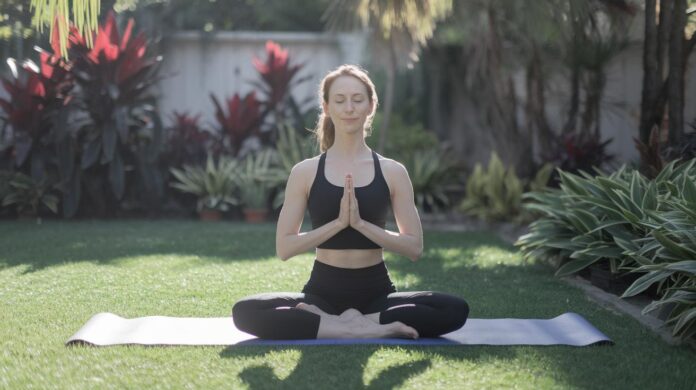
Ever wondered if you could feel better by looking after your whole self instead of just your symptoms? Holistic medicine takes care of your body, mind, heart, and feelings at the same time. It’s like a friendly checkup that not only relieves pain but also gets to the real source of your discomfort.
Sometimes even a small change, like taking a refreshing, brisk morning walk, can brighten your mood and bring more balance to your day. In this guide, you’ll discover how caring for every part of you can pave the way to a steadier, happier health journey.
Defining Holistic Medicine: Core Overview
Holistic medicine looks after your whole self, body, mind, spirit, and emotions, all working in harmony. It’s not just about masking symptoms; it digs deeper to find the real cause of discomfort. Even a small lifestyle tweak, like taking a refreshing morning walk and feeling your heartbeat sync with your thoughts, can make a big difference.
This approach is all about treating your overall well-being instead of just fighting an illness. It blends natural healing ideas, like leaning on supportive relationships and taking charge of your own health, with the benefits of regular medical care. Think of it as nurturing a team where every part of you is cared for, not just the parts that are hurting.
Curious to learn more? Dive into our holistic guide to wellness for practical tips on how to keep everything in balance. When your body, mind, and spirit work together, every step you take feels lighter and more purposeful.
Holistic Medicine Origins and Cultural Traditions
For thousands of years, people have turned to natural ways to heal their bodies and minds. In India, Ayurvedic doctors use a system called Ayurveda (which means "knowledge of life") that relies on plants and everyday habits to keep you healthy. Over in China, Traditional Chinese Medicine has been refined for centuries with herbal remedies and acupuncture, a method that uses tiny needles to help balance how you feel. These age-old techniques remind us that true health comes from caring for the whole person, not just treating a single problem.
In the late 1800s, osteopathic medicine introduced hands-on techniques like gentle adjustments that help your body line up correctly and improve blood flow. Meanwhile, naturopathic doctors, who earn ND degrees, champion natural treatments and nutrition while guiding patients to find balance through simple self-care. Think of it like enjoying a crisp, plant-filled salad that not only fills you up but also makes you feel good inside. All these traditions show how deep and diverse cultural wisdom can create a rich foundation for holistic health today.
Guiding Principles of Holistic Medicine
Holistic care sees health as a balanced mix of your body, mind, feelings, and spirit. It starts with natural healing ideas, kind of like when you mix different fruits to make a tasty, healthy smoothie. Picture starting your day with a bowl of fresh fruit that wakes you up and helps clear your mind. This unique approach, known as bio-individual nutrition (each person’s food plan is as unique as they are), is all about finding what works for you.
Lifestyle changes make a big difference too. Simple steps like regular exercise, good sleep habits, and managing stress help keep your body strong and resilient. Imagine taking a brisk walk in the park on a sunny day, it can boost your mood and even help your immune system. These healthy choices aren’t just routines; they’re practical ways to put your well-being first.
Taking care of your mental health matters just as much. Whether it’s practicing mindfulness or doing some easy breathing exercises, a few moments of calm can help balance your emotions. Plus, surroundings like clean air and a peaceful home add to your overall healing. In the end, holistic medicine teaches you self-care tips tailored to your life, nurturing your body, mind, and spirit together.
Common Therapies in Holistic Medicine
Holistic treatments aren’t just about popping pills or going under the knife. They mix different methods that work with the strong link between your mind and body while letting nature do its healing magic. For instance, acupuncture uses very thin needles to help ease pain and calm inflammation, giving your body a little natural kick-start in its healing journey. Similarly, herbal medicine taps into the goodness of plants, like goji berries (known for their nutritional benefits), to gently tackle various health issues.
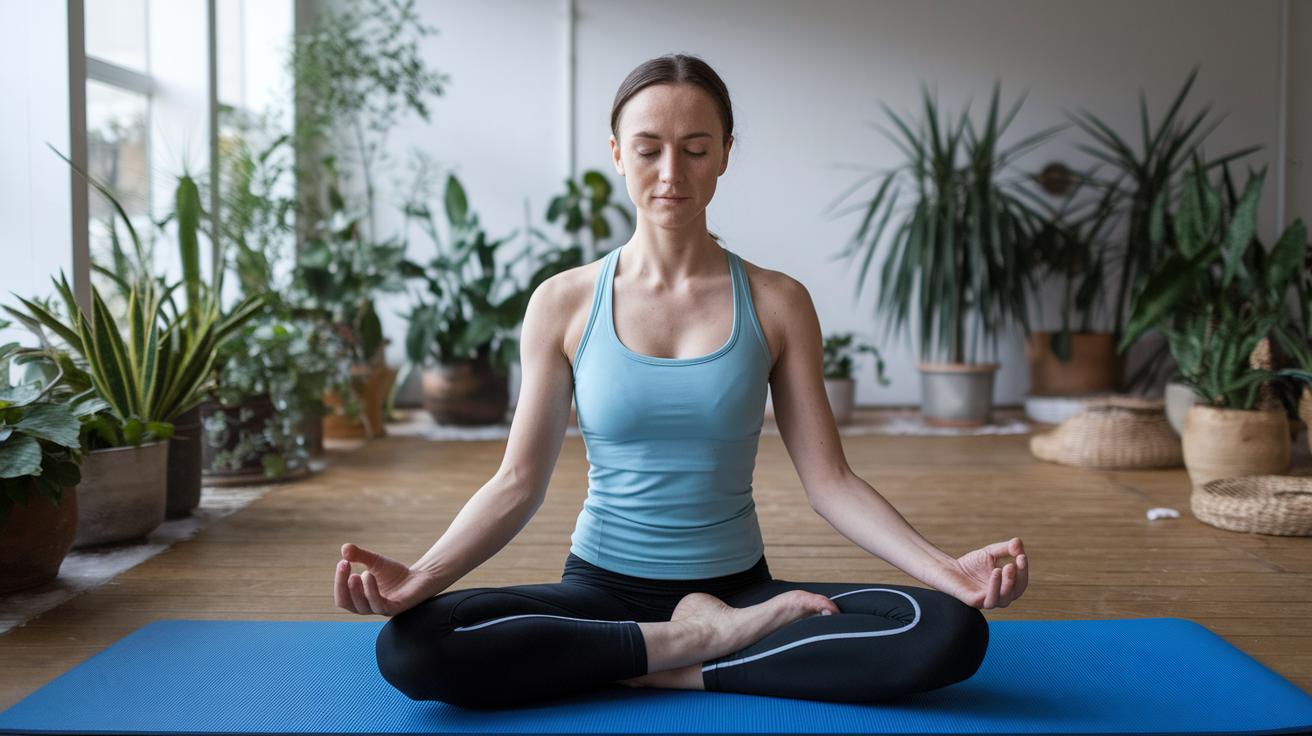
Massage therapy soothes your muscles with expert hands-on care, easing tight spots and boosting blood flow. Yoga and movement aren’t only great for stretching and building flexibility; they also set a calm, relaxed vibe for your day-to-day life. Meditation and other relaxation techniques offer a strong way to reduce stress. Ever noticed how simply taking a few mindful breaths can clear your mind? If you’re curious, check out what mindful meditation is all about. Aromatherapy ups your online quality-of-life, using essential oils to ease stress and lift your mood. And with bodywork like chiropractic or osteopathic manipulation, your bones and muscles stay in good line and ready to support you.
Here’s a quick rundown of some popular holistic therapies:
- Acupuncture
- Herbal Medicine
- Massage Therapy
- Yoga and Movement
- Meditation and Relaxation
- Aromatherapy
| Therapy | Purpose | Example |
|---|---|---|
| Acupuncture | Helps reduce pain and inflammation | Using thin needles on specific points |
| Herbal Medicine | Treats different issues with natural plants | Using botanical extracts like goji berries |
| Massage Therapy | Relieves muscle tension and improves circulation | Hands-on techniques like Swedish massage |
| Yoga and Movement | Enhances flexibility and soothes the mind | Gentle yoga routines such as Hatha yoga |
| Aromatherapy | Lifts mood and calms stress | Diffusing essential oils |
Roles of Holistic Medicine Practitioners
Holistic medicine practitioners help keep your health balanced by mixing standard medical methods with natural treatments. They look at your health as a complete package, including your body, mind, and spirit. For example, a holistic doctor might use both lab tests and a natural herbal supplement (a plant-based remedy) to help boost your energy, much like adding a splash of lemon to your water for a refreshing twist.
Osteopaths are doctors with DO degrees who use hands-on techniques to adjust your muscles and bones, almost like tuning a guitar so every string sounds just right. Integrative physicians combine modern medicines, nutrition advice, and complementary treatments to create a plan that fits you perfectly. They take a moment to listen to your needs, then offer guidance that builds a steady, natural balance.
Ayurvedic doctors use time-tested Indian practices that rely on lifestyle changes and plant-based solutions to support your well-being. Naturopathic doctors (ND) also lean on natural remedies, often suggesting things like a daily herbal tea that warms and soothes you while boosting your overall health. Imagine sitting down with a friend who suggests a gentle routine that makes you feel cared for and energized.
Traditional Chinese Medicine practitioners add another layer to your health journey by using acupuncture, herbal medicines, and qi-based therapies (qi means your body's natural energy flow) to bring you back into harmony. Each of these experts brings their own special skills to the table, creating a supportive network designed to care for your whole self.
Evidence and Resources in Holistic Medicine

Holistic medicine is built on solid research that shows slow, natural healing and caring for your body can boost overall health. Studies on mind-body techniques (ways your thoughts and body work together) remind us that even small changes in our daily routine can bring lasting benefits. Each new finding confirms that simple lifestyle shifts can build long-term well-being. It’s all about letting your body work with its own strengths instead of just grabbing quick fixes.
When it comes to long-term health issues, there are lots of handy tools to guide you toward a balanced life. You can find clear symptom checklists, treatment options that support a full wellness plan, and guides that explain long-term risk factors. Continuous research into natural remedies keeps showing us ways to feel better without needing harsh, invasive treatments. Plus, fresh studies have introduced new diagnostic methods (ways doctors spot issues early) to help detect subtle imbalances before they become major problems.
There are also free toolkits for chronic conditions, directories of medical centers, and support groups that connect you with others who understand your journey. And with advice tailored for healthcare providers, the latest research merges with everyday self-care, making it easier for you to take charge of your health.
Integrating Holistic Medicine with Conventional Healthcare
Blending holistic and conventional care means using natural supports and modern tests to keep you feeling your best. Doctors rely on routine tests and up-to-date treatments while also offering simple lifestyle tips and nutrition advice that can help prevent problems down the road. Instead of only turning to drugs or surgery when something goes wrong, holistic care shows you how small daily choices can support your long-term health.
Holistic practitioners and regular doctors often team up by referring patients to each other and creating shared care plans. For instance, you might visit a specialist for an immediate issue and then be guided to a holistic provider for advice on improving your diet or adding gentle exercise. They even use shared electronic health records to keep everyone in the loop.
At the heart of this approach is care that puts you first. By offering easy-to-understand know-how and personalized advice, your providers work to build trust and encourage healthy habits. Preventive natural care might include simple changes in your diet, stress-relieving methods (like mindful breathing), and regular checkups to keep an eye on your health. It’s kind of like having a personal guide who combines the best of modern science and natural remedies.
This way of working together can help you recover faster while also making sure you enjoy a balanced, healthy life. It reminds us that taking care of yourself is both a science and an art, with every step toward wellness carrying its own special meaning. Check out what is preventive care for more insights on staying naturally healthy.
Lifestyle Strategies in Holistic Medicine Practice

Turn your everyday habits into little rituals that mix old wisdom with modern self-care. Instead of just eating healthy or taking a walk, why not start your morning with a mini ritual inspired by Asian practices? Try a short meditation and deep breathing (techniques that help calm your mind) before you eat. Imagine the soft light of dawn as you breathe gently, almost like the quiet lapping of water on a shore. This turns a regular routine into a meaningful experience.
You can also borrow simple customs from other cultures. In Mediterranean traditions, sharing a meal isn’t just about food; it’s a chance to enjoy wholesome, local dishes while connecting with family or friends. And think about the Scandinavian love for the outdoors, a brisk walk in nature lets you soak in clean air and sunlight, making exercise feel refreshing and alive.
Mix stress relief with little changes around you throughout the day. Create a workspace that feels like a small retreat with touches of nature, and set aside an hour for quiet meditation or self-reflection, maybe inspired by indigenous traditions. Later in the evening, unwind with a calming tea ceremony using herbal teas (like chamomile) to help relax your mind and body before sleep.
- Practice daily mindfulness or a short meditation
- Enjoy meals centered on whole, plant-based foods
- Move routinely with yoga or a walk outdoors
- Stick to a solid sleep routine
- Use stress-relief methods (such as deep breathing)
- Sip herbal teas for relaxation (for example, chamomile)
- Set time aside for genuine social or community connection
Final Words
In the action, the discussion covered the basics and rich roots of holistic medicine, from cultural traditions to everyday therapies and lifestyle practices. We broke down the natural approach to caring for your body, mind, and spirit with clear examples and practical tips. The guide shared evidence-backed insights and real-life strategies that empower you to blend holistic practices with conventional care. Every step invites you to embrace a balanced path, making natural healing and whole-person wellness an everyday reality. Stay positive and keep exploring ways to feel your best.
FAQ
What exactly is holistic medicine?
Holistic medicine means caring for your body, mind, spirit, and emotions together. It looks at root causes rather than just treating symptoms for complete balance.
How do holistic medicine treatments and examples work?
Holistic treatments involve natural remedies like herbal medicine, acupuncture, and lifestyle changes. They focus on overall wellness and preventing issues before they develop.
How do I find holistic medicine near me and what should I expect?
Finding holistic medicine near you means looking for clinics that combine natural therapies with standard care. These practices often emphasize whole-person health and individualized guidance.
What is a holistic medicine degree and who can pursue it?
A holistic medicine degree trains practitioners in natural healing methods including nutrition and lifestyle care. It prepares them to blend alternative practices with conventional medicine.
What type of books are available on holistic medicine?
Holistic medicine books offer clear overviews of natural healing strategies, practical wellness tips, and insights into balancing body, mind, and spirit for overall well-being.
Is a holistic doctor a real doctor and are they covered by insurance?
A holistic doctor typically holds valid medical credentials and integrates natural treatments with conventional methods. Insurance coverage can vary, so it’s best to check with your provider.
What does the Bible say about holistic medicine?
Many interpret the Bible as supporting care for the whole person, which means nurturing your physical, mental, and spiritual well-being in a balanced, natural way.
Why do some consider holistic medicine a better approach?
Holistic medicine is seen as better by some because it looks at every part of you rather than just treating symptoms, empowering you to take charge of your health naturally.
How should beginners approach holistic medicine?
For beginners, holistic medicine is about starting with simple lifestyle changes like a balanced diet, regular exercise, and stress management, gradually building toward overall wellness.